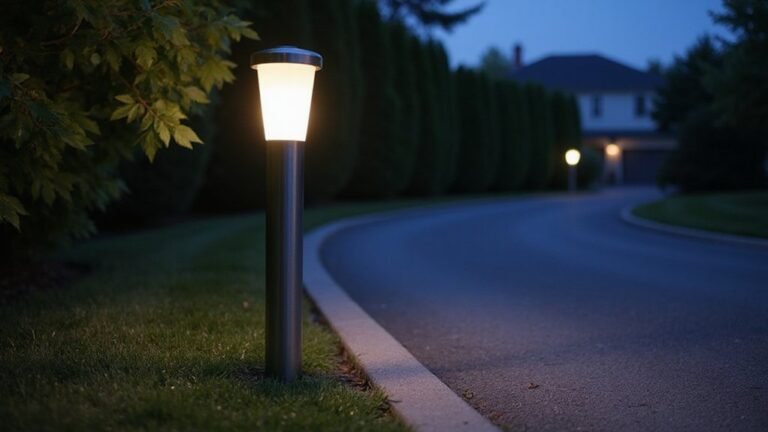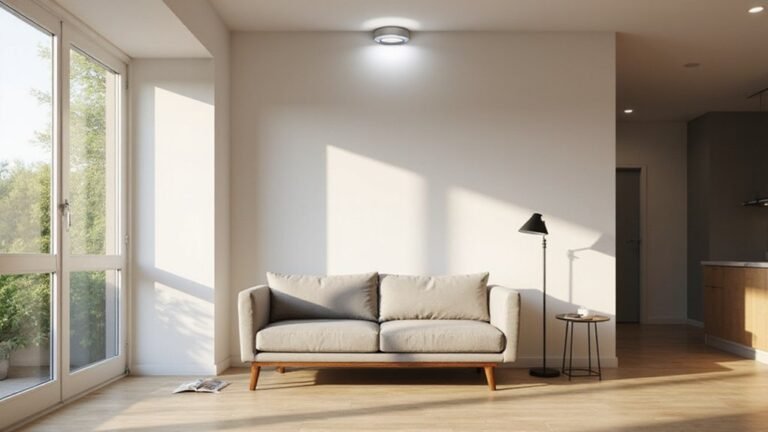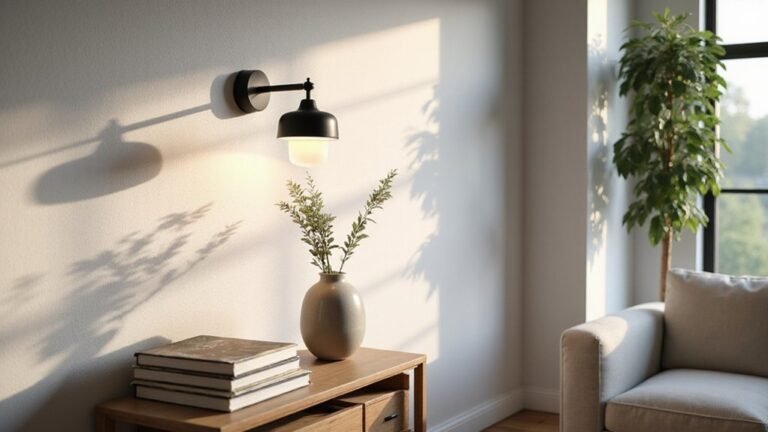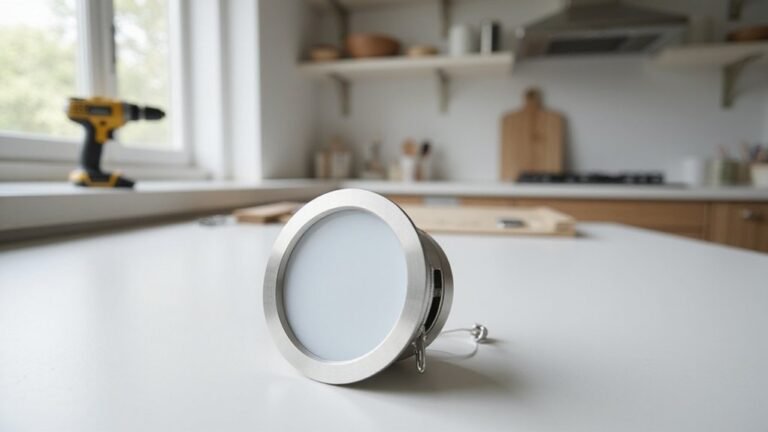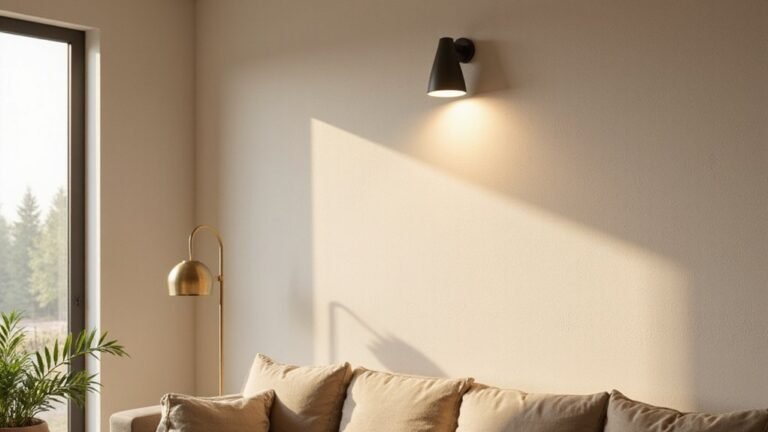
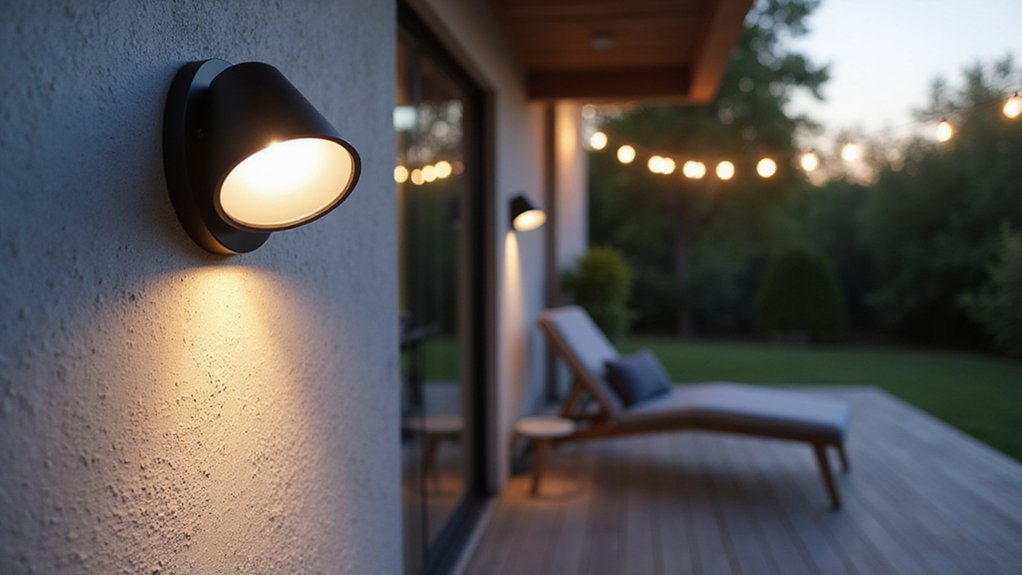
Struggling to choose between flood lights and spotlights for your lighting needs? The key difference comes down to the beam angle.
Flood lights spread light widely from 45° to 120°, ideal for illuminating large areas evenly.
Spotlights focus narrowly below 45°, perfect for highlighting specific features.
Keep reading to find out which option suits your project best.
Flood Light vs. Spot Light: What’s the Real Difference?
Flood lights and spot lights differ mainly in their beam angles. Flood lights typically spread a beam between 45° and 120°, creating wide coverage with softer intensity, making them ideal for illuminating large outdoor areas like yards or patios. Spot lights have a narrower beam of 10° to 40°, focusing light tightly onto a small area for dramatic effects or highlighting specific features. When choosing between them, consider the color temperature; warmer tones tend to create a cozy ambiance, while cooler tones enhance visibility. Energy efficiency also varies: flood lights often consume more power because they cover a broad area, whereas spot lights concentrate their light, which can save energy when used for targeted lighting. Remember, flood lights are better for covering wide spaces at shorter distances, while spot lights can project light farther due to their concentrated beam. Nighttime visibility relies on the light type used. The beam angle directly determines how light spreads across an area, influencing both coverage and focus. Before installing either fixture, always turn off the power at the circuit breaker to ensure a safe wiring process. For a secure installation, follow a step-by-step method to properly connect the wiring and mount the fixture.
When to Use a Flood Light for Wide-Area Coverage
Flood lights are ideal for wide-area coverage because they emit a beam spread of approximately 120° to 160°. This broad beam makes them suitable for illuminating large spaces such as parking lots, sports fields, or expansive backyards all at once. Using multiple mid-power flood lights instead of a single high-wattage fixture helps distribute light evenly across broad horizontal areas, enhancing visibility and safety. When installing, mount fixtures higher than 20 feet to maximize coverage, and tilt them at an angle greater than 45° from horizontal to minimize glare and prevent overlighting. Always follow the manufacturer’s instructions carefully and avoid relying solely on flood lights for all lighting needs, as they are designed to solve coverage gaps rather than replace complete lighting systems. For best results, applying safe wiring tips ensures a clean and reliable connection during installation. Unlike spot lights, flood lights use a recessed can lighting housing option to hide the fixture body and reduce glare in open areas. For indoor dining spaces, consider a chandelier’s beam spread to ensure even illumination across the table rather than concentrated accent lighting.
When to Use a Spot Light for Targeted Focus
A spot light is ideal when a single object or feature needs focused attention. Its narrow beam concentrates light precisely, making the subject visually prominent. Use it to emphasize a sculpture or highlight the texture of an architectural element like a column. It’s also perfect for high-precision tasks such as illuminating a house number, product display, or artwork. The focused optics allow you to target a specific area accurately, and built-in accessories can further refine the beam. For long-distance applications, a spot light can cast a concentrated beam along a driveway or follow a performer on stage. In task lighting, it creates contrast by focusing directly on a work surface. Properly connecting the spot light to a low voltage transformer ensures safe and reliable operation. Choose a spot light when control, precision, and a clear center of attention are more important than broad coverage. For wet or outdoor locations, using a waterproof recessed housing protects the fixture from moisture damage. Just as a ceiling fan’s direction for winter helps redistribute warm air downward, a spot light’s narrow beam directs light exactly where it is needed.
Choosing the Right Beam Angle: 45°+ for Flood Lights, Under 45° for Spot Lights
A beam angle of 45° or greater defines a flood light, while angles less than 45° identify a spot light. This measurement determines how wide or focused the light spread will be. Flood lights with angles from 45° to 120° produce broad, soft illumination that covers large areas evenly but doesn’t reach far distances. They are ideal for general area lighting where coverage and uniformity matter most. Spotlights with angles under 45°—ranging from 5° to just below 45°—create a concentrated, intense beam. This focused light offers longer throw distances and highlights specific details, making it perfect for accent lighting or highlighting objects at a distance. For example, a 300-lumen bulb with a narrow 15° beam concentrates its brightness more intensely than the same lumens spread across a wider beam. For a similar effect in home decor, wall sconce candle holders often use narrow beam angles to focus light on specific wall features. A quiet ceiling fan operating in the same room will reduce audible distraction while the lights are in use. When selecting lighting, note that DC motor technology provides greater energy efficiency and quieter operation compared to AC alternatives.
Angles in the 30° to 45° range serve as a middle ground, providing a balance between coverage and intensity. When choosing a beam angle, consider your mounting distance and the size of the target area. Closer fixtures work best with wider flood angles for broad illumination, whereas fixtures placed farther away should use narrower spot angles to maintain sufficient brightness and reach.
Flood Light vs. Spot Light: The Quick Decision Guide for Your Project
Flood lights are generally better suited for broad coverage, while spot lights excel at highlighting specific features. Flood lights provide wide-area illumination, making them ideal for driveways, patios, lawns, and security zones. Spot lights produce a concentrated, brighter beam that effectively accentuates trees, statues, signs, or architectural details.
In terms of energy efficiency, both can use LED bulbs, but flood lights typically require more lumens to illuminate larger areas. Spot lights concentrate light into a narrower beam, using less wattage while achieving their targeted effect. When it comes to installation, flood lights are usually mounted higher to cover a broad space, whereas spot lights need precise angling toward the focal point for best effect.
Use flood lights for safety and overall visibility across large areas. Choose spot lights when you want dramatic accents or to project light over longer distances onto specific features. The size and shape of your space should guide your decision, ensuring you select the lighting type that aligns with your coverage needs.