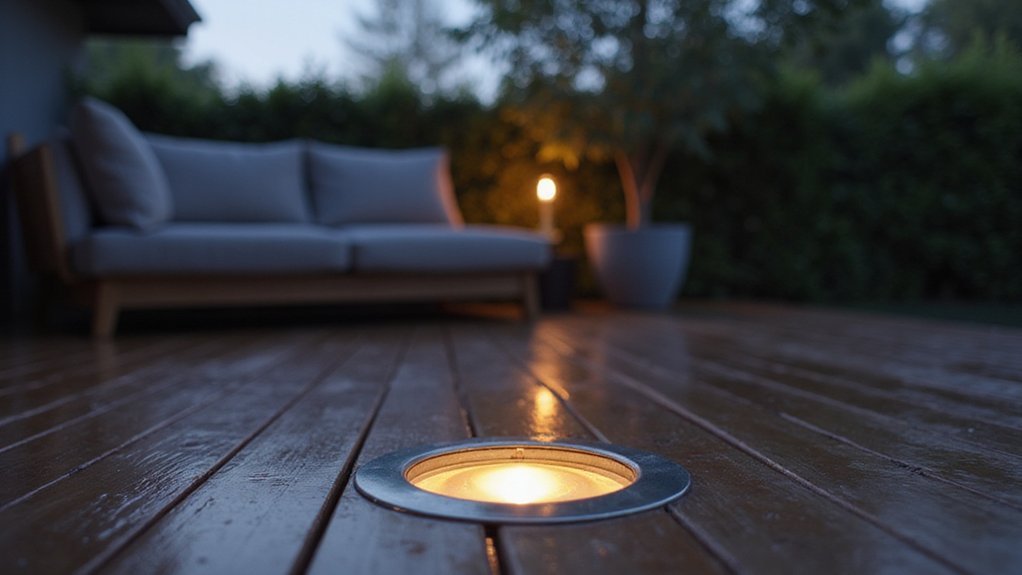
Ever wonder what kind of recessed lighting to choose for areas exposed to water, like outdoor porches or showers? The key is selecting wet-rated fixtures, which are specifically built to withstand direct water contact.
Knowing how to identify these lights and what features matter ensures your space stays safe and functional.
Keep reading for the essential tips to pick the right waterproof recessed lights.
What “Wet-Rated” Actually Means for Recessed Lights
“Wet-rated” means that a fixture has passed safety standards to handle direct water exposure. This rating is crucial for recessed lights that are installed in areas where water might come into contact with the fixture, such as outdoor settings or bathrooms. Wet-rated housings feature fully sealed gaskets to prevent water from penetrating internal components, unlike damp-rated models that only resist condensation. Without proper waterproofing, water can cause short circuits, corrosion, or even fire hazards. This concept is similar to choosing the correct ceiling fan direction for each season, where the right setting prevents damage and improves efficiency for a specific environment. It’s important to remember that wet-rated does not mean submersible; it indicates suitability for exposure to water in typical wet conditions, not for deep or prolonged water immersion. Always check the fixture’s label for wet-location markings to be sure, rather than relying solely on marketing claims. A similar safety precaution applies when you wire a ceiling fan with exposed connections, where proper sealing prevents electrical damage from moisture. For recessed lights where water could hit directly, choosing a wet-rated fixture is essential for safety and longevity. In garages with high humidity or occasional leaks, comparing airflow ratings and blade pitch helps ensure the fan you pair with those lights moves enough air to reduce condensation.
Where You Need Wet-Rated Lights (Showers, Bathtubs, and Beyond)
Wet-rated recessed lights are essential in locations exposed to water spray, humidity, or weather elements. Inside shower enclosures, directly above bathtubs or soaking tubs, you must install fixtures rated for wet environments to prevent electrical hazards. These lights feature sealed lens assemblies that keep moisture away from electrical components, ensuring safety and code compliance. When comparing these sealed fixtures, consider that canned vs recessed lighting options often differ in performance and lifespan, making sealed wet-rated units the standard for safety. For a seamless aesthetic, you can even find models that mimic the elegant look of wall sconce candle holders while maintaining their protective seal.
Outdoor areas such as porches, eaves, and pool zones also require wet-rated fixtures because they are regularly subjected to rain, snow, and splashing water. Use robust housings designed for all-weather performance to maintain long-term durability. For a clean installation, you can use the same basic wiring principles and safe wiring tips used for standard landscape lighting to ensure your outdoor connections remain secure. Don’t forget high-moisture zones like spa areas, saunas, or sink-adjacent spots—they are equally in need of fixtures rated for wet conditions.
Choose lighting with aesthetic covers that match your design preferences without sacrificing the seal against moisture. Upgrading to LED trims rated for wet locations not only provides energy efficiency but also delivers bright, consistent lighting in all exposed areas. Proper selection and placement of these fixtures ensure safety, longevity, and a visually cohesive space.
Wet-Rated vs. Damp-Rated: Why the Wrong Choice Is Dangerous
Choosing between wet-rated and damp-rated recessed lights depends primarily on whether the fixture will be exposed to direct water contact. Wet-rated fixtures are designed specifically for areas where water, rain, or snow can penetrate, such as outdoor porches, patio covers, or walkways. They have sealed housings and corrosion-resistant components that prevent water from reaching the internal electrical parts.
Damp-rated fixtures, on the other hand, are suitable only for humid environments where moisture is present but direct water exposure is unlikely. Examples include bathrooms, kitchens, or soffits. These fixtures tolerate humidity, condensation, and occasional splashes but are not built to withstand direct rainfall or splashing water.
Installing a damp-rated fixture in an area prone to direct water contact can result in serious safety hazards like short circuits, ground faults, and electrical shocks. It can also lead to corrosion of the trim and internal electronics, causing early failure and compromising your lighting’s color temperature and overall aesthetics. Moisture infiltration degrades the electronics, reducing energy efficiency and voiding warranties. To plan your layout safely, always measure the fixture’s size and spacing against the ceiling height and coverage area before finalizing placement.
Always select wet-rated fixtures for outdoor spaces, areas with direct spray, or regions subject to snow or heavy rain. These fixtures provide critical safety protections and longer lifespan, ensuring your lighting remains reliable over time.
How Wet-Rated Lights Keep Water Out of Electrical Components
Wet-rated recessed can lights keep water out of electrical components through a multi-layered defense system. Fully sealed housings prevent direct spray and splash from reaching the wiring and internal parts. Gaskets seal the trim and lens, stopping moisture from seeping through the fixture’s face. Waterproof connectors and protected wiring pathways inside the fixture prevent short circuits. Corrosion-resistant materials like stainless steel reduce the risk of rust over time. These features are standard on well-made wet-rated models, offering a cost-effective safety solution. For aesthetic appeal, gasketed trims and sealed lenses maintain a clean look without condensation or fogging. Proper placement also ensures water drains away, so it doesn’t pool inside the fixture. All components must be connected to GFI protection to shut off power during ground faults and prevent electrical shock.
What IP65 Adds Beyond Wet-Rated Certification
Choosing an IP65-rated recessed light provides verified protection against dust and water, offering advantages beyond a standard wet-rating. The first number, “6,” indicates a dust-tight enclosure, ensuring no debris can penetrate and cause internal corrosion—particularly important for ceiling cavities where dust and debris can accumulate. The second number, “5,” signifies resistance to low-pressure water jets from any direction, making it suitable for environments exposed to rain or spray but not immersion. This rating defines clear limits: IP65 is not designed for submersion, so you’ll need to upgrade to IP66 or IP67 if immersion is required. For buyers, IP65 delivers objective data to match fixtures precisely to exposure conditions such as rain, hose spray, or humid environments, avoiding vague marketing claims. In practical terms, the stronger sealing systems required for IP65 increase material durability against corrosion and contamination. Additionally, these robust enclosures maintain a sleek, unobtrusive appearance since they do not necessitate bulky trims. This allows you to keep a clean, modern recessed look while ensuring the fixture’s performance remains reliable over time. Unlike flush mount fans that prioritize airflow clearance, IP65’s ingress protection focuses solely on sealing the housing, so the fixture’s low-profile design remains unaffected by the motor or blade requirements found in ceiling fans. For specific applications, check local codes to ensure compliance with safety regulations for wet-rated installations. For consistent lighting output in kitchens or bathrooms, pair IP65 fixtures with dimmable LED drivers to adjust brightness without compromising the sealed enclosure’s integrity.
5 Wet-Rated Trim Styles You Should Know
The best wet-rated trim style depends on your specific lighting needs and aesthetic preferences. For soft, glare-free illumination, a baffle trim is ideal because its ribbed interior diffuses light, making it perfect for showers or humid spaces. If you want more brightness, a reflector trim with a mirrored interior enhances light output while remaining flush with the ceiling or wall. Open trims offer a sleek, minimalist look but expose the lamp directly, which might be suitable for areas where style takes precedence over glare reduction. When selecting trims for showers or tubs, always opt for a dedicated shower trim with a sealed lens to meet code requirements and prevent water ingress. Lensed trims also add corrosion resistance and deliver a uniform beam, making them a versatile choice for moisture-prone environments. For a complete and safe installation, follow a step-by-step wiring method just as you would when installing a ceiling fan. Your trim selection should balance performance, safety, and aesthetic appeal tailored to your wet space.
Bulbs That Work in Wet-Rated Housings
Choosing the right bulb for a wet-rated recessed housing involves more than just brightness—it’s about compatibility with the fixture’s sealed environment and your desired ambiance. An LED bulb is your best option because they are commonly rated for wet conditions and remain cool to the touch, which enhances safety in tight or moisture-prone spaces. Look for a bulb with a color temperature between 2700K and 3000K to achieve a warm, inviting glow.
A major advantage of wet-rated LED bulbs is their long lifespan, often ranging from 35,000 to 50,000 hours. This means fewer replacements and less ongoing maintenance. Ensure you select bulbs explicitly designed for recessed cans or enclosed fixtures, such as A19 or PAR38 types, which are tested and rated for proper sealing against water exposure. Proper certification confirms that the bulb and fixture work safely together in wet environments.
Wet-Rated Buyer’s Checklist: What to Check Before Buying
To ensure your fixture is suitable for wet environments, verify that the entire recessed can assembly is rated for direct water exposure. Look for a wet-location label on the housing; avoid relying solely on “damp” ratings, as they often fail when exposed to spray or direct water. The fixture should have a UL, ETL, or CSA listing explicitly stating it is “suitable for wet locations.” Choose materials that resist corrosion, like stainless steel, and ensure sealed gaskets are installed to prevent moisture intrusion. Confirm that the fixture placement matches your ceiling type—whether it is for new construction or remodel—and measure the cut-out diameter precisely to ensure proper fit. Additionally, select a color temperature that suits your space, typically ranging from warm to cool white. For a reliable setup, consider using a smart plug to control the lights remotely without exposing wiring to moisture. Before installation, review the manual for detailed steps and safety warnings, and consider consulting a licensed electrician if there’s any uncertainty. For a watertight finish, use sealed gasket connections on every wire junction to block moisture from traveling through the conduit.