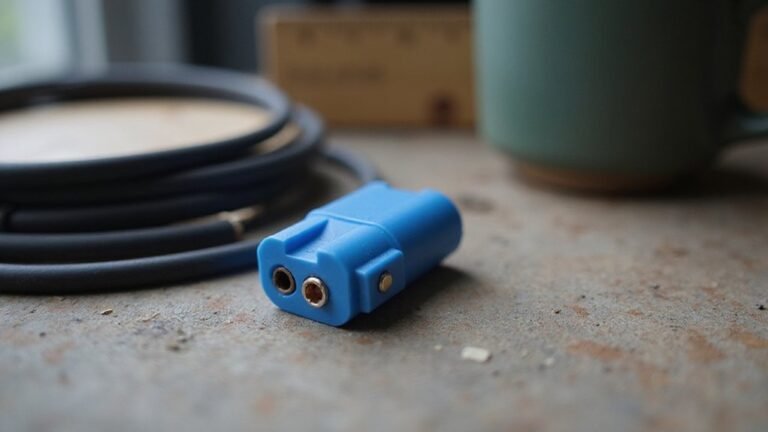
If you’re trying to figure out which wire connector to use for your project, it can feel a bit overwhelming with so many options. The right type depends on whether you’re working indoors, outdoors, or in tight spaces.
It also depends on what kind of wiring you’re dealing with. Choosing the correct connector ensures safety, durability, and ease of installation.
This guide covers all the essentials to help you match the right connector to your job.
The Best Wire Connector for Each Residential Task
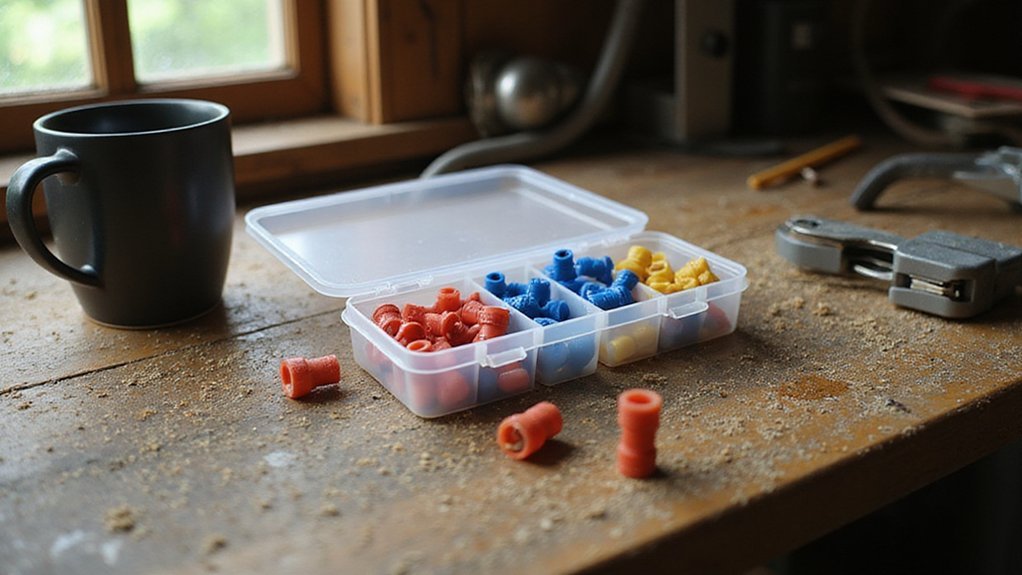
For indoor splices with 14 to 12 AWG copper wire, twist-on connectors are generally the most reliable choice. Their durability depends on correct installation, which includes matching the connector size to the wire gauge and the number of conductors. Always follow the strip-length instructions to ensure a secure connection. For faster setups or tasks requiring rework, push-in or lever-style connectors are advantageous. You insert the conductors into the backstop, then close the lever for a strong hold—this makes replacing devices quicker. When connecting aluminum to copper wiring, only use approved aluminum-to-copper-rated connectors like AlumiConn or IDEAL Twister. Standard copper-only connectors are not suitable for these mixed-metal connections. In wet or buried environments, sealed connectors rated UL 486D are essential for maintaining safety. Always verify environmental ratings and box-fill limits to ensure compliance and a safe, reliable connection. For DIYers especially, the WGO 221 lever nut allows multiple wires to be simultaneously secured by simply pulling the levers up and inserting wires until they hit the back wall. This approach shares similarities with how some ceiling fans use wireless receiver modules to replace physical pull chains or remotes for activation. Proper spacing of connectors helps avoid tangles when stringing lights across a long span. For ceiling fan installations, following a step-by-step method ensures that power is safely turned off at the breaker and that all connections are properly grounded.
Twist-On vs. Push-In: Which Is Faster and Safer Indoors?
Push-in connectors are generally faster than twist-on connectors for indoor wiring. With push-in connectors, you strip the wire and insert it directly into the connector, removing the need for manual twisting. This simplifies the installation process and speeds up repetitive tasks, especially when working with multiple fixtures. Both types can provide safe, long-lasting connections when they are UL-listed and correctly sized. However, push-in connectors reduce the risk of loose connections, which are a common cause of arcing in poorly twisted twist-on splices. When fully seated, a push-in wire is less likely to come loose. Twist-on connectors depend more on your technique to ensure a secure connection that complies with electrical codes. While push-in connectors offer superior speed, it is important to verify they are used within their limits, as some are designed for circuits up to 15 amps and only work with solid copper wire. Proper use remains the key to safety and reliability, regardless of the connector type. For instance, WAGO push-in disconnectors are particularly useful for small gauge wires like 18 gauge thermostat wire, and they are compatible with both stranded and solid wire. When converting fixtures, always check the safety limits involved to ensure the connector matches the circuit’s amperage rating. Push-in connectors also help extend the lifespan of LED downlights by reducing heat buildup from poor connections that can damage sensitive components. For recessed can lights, using these connectors can improve installation consistency across multiple fixtures.
Going Outside or Underground? Choose a Sealed Connector
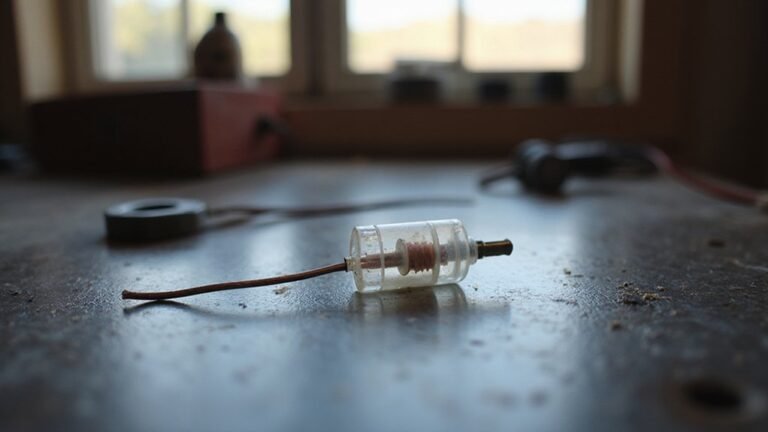
For outdoor wiring that requires protection from moisture and soil contaminants, a sealed connector is essential. These connectors are designed with factory-filled silicone, grease, or gel compounds that create a reliable moisture barrier, preventing water ingress and dirt intrusion. Choose a connector rated for wet locations and direct burial, such as UL 486D or IP68, to ensure it withstands freeze-thaw cycles and continuous exposure to moisture. Pre-filled, one-step models make installation quick and simple, with no need for additional sealing materials. For areas prone to vibration, heat-shrink kits provide extra mechanical strength and long-term durability. For example, selecting a model with a waterproof recessed rating ensures the connector can handle direct exposure to rain or sprinkler overspray, just as waterproof recessed can lights are rated for damp environments. Avoid using standard twist-on or push-in connectors outdoors; instead, select purpose-built sealed connectors to guarantee a stable, corrosion-free splice in any below-grade or outdoor environment. One such sealed connector is the M20 2-way junction box made from nylon flame-retardant material with silicone rings and clamping nuts, enabling IP68 waterproof sealing for water exposure up to 3.5 meters. For indoor applications like under cabinet lighting, a sealed connector can still prevent dust and moisture from damaging splices near sinks or prep areas. Additionally, these connectors are often tested to withstand extreme temperature fluctuations, ensuring reliable performance in harsh climates.
Why Aluminum Wiring Needs Dedicated Al/Cu Connectors
Dedicated Al/Cu connectors are essential for aluminum wiring because they prevent issues caused by material incompatibility. Unlike outdoor sealed connectors, these specialized connectors are designed to handle the unique challenges inside walls. When copper is directly joined to aluminum, it creates a galvanic couple that speeds up corrosion and can lead to overheating. Using dedicated Al/Cu connectors with oxidation prevention, such as pre-filled antioxidant compounds, helps protect against surface oxide buildup and corrosion. This is similar to how uplights direct light upward to illuminate a ceiling, as the connector directs current safely through the junction. These connectors maintain stable contact despite aluminum’s thermal expansion thanks to internal features like springs or separate ports. Some styles include set screws that mechanically break through oxide layers to ensure a reliable connection. Following safe wiring tips ensures a clean and code-compliant installation when working inside the junction box. Most are UL-listed for specific wire sizes and can handle voltages up to 600 volts. Because they are intended for one-time use, reusing themthemis not recommended. When retrofitting older wiring systems from the 1970s, pigtailing copper onto aluminum with these connectors offers a practical and code-compliant solution; just be sure to follow the strict installation instructions for safety and performance. These connectors are approved for use in damp locations as well.
When Crimp Connectors Are the Right Choice in Residential Settings
Crimp connectors are ideal in residential settings when a permanent, vibration-resistant splice is needed, especially where future disconnection isn’t required. They are well-suited for grounding splices inside metal boxes or connecting stranded wires to appliances that produce vibrations or hum. High-vibration motors and tight spaces are also good candidates for crimped connections, as wire nuts may not hold securely in those conditions. For outdoor installations, crimp connectors offer a weatherproof seal when combined with heat shrink tubing. Using a proper crimping tool ensures the connection meets the manufacturer’s specifications for current rating and safety.
Proper installation is crucial for performance and safety. Always strip the wire to match the barrel length exactly before inserting it fully into the connector. Use a designated crimping tool—not pliers—since the correct tool ensures a reliable mechanical bond. After crimping, pull-test each connection to confirm it doesn’t slip; a secure crimp will hold firm under tension. Use ring terminals when fastening to terminal studs, and butt splices when joining stranded conductors end-to-end. Avoid using crimp connectors where you plan to disconnect frequently, because they are not reusable. Lastly, strictly match the connector size to the wire gauge; mismatched sizes can lead to weak joints, loose connections, or nicked strands. Always select a crimping tool that matches the connector type for consistent results.