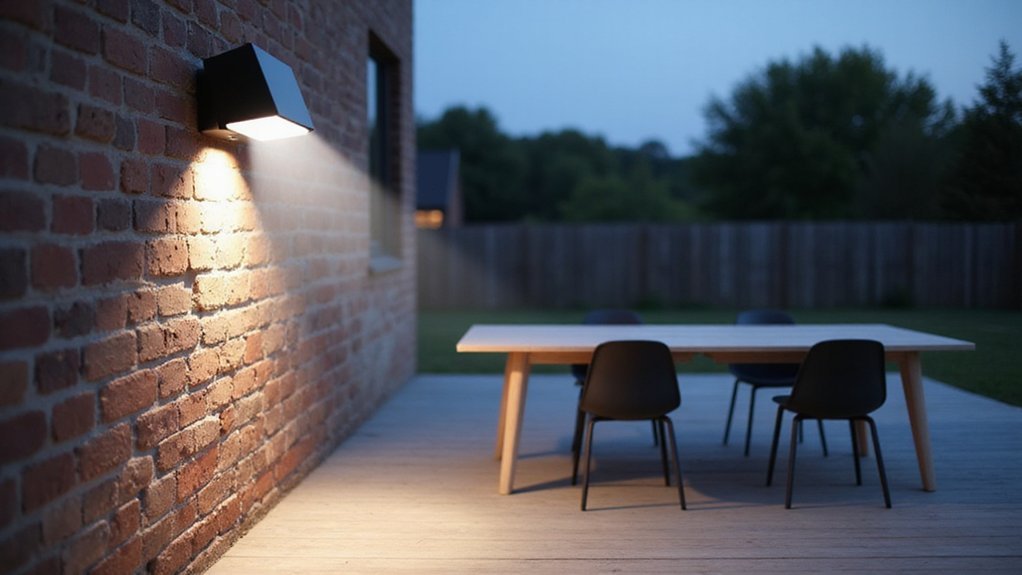
Flood lights are large, powerful fixtures that provide broad, even illumination over big outdoor areas. They’re a popular choice for security, safety, and landscape lighting.
Understanding how to choose the right type and features can make a big difference in getting the brightness, coverage, and durability you need.
Read on to find out everything you should consider before buying.
Flood Lights: What They Are and How They Work
Flood lights are designed to cast light over a broad area, making them ideal for wide, even illumination rather than focusing on a specific spot. Their light dispersion depends on a reflector and housing that work together to spread light across a field of view ranging from 45° to 120°. This wide-angle design ensures uniform brightness across large surfaces, reducing the intensity per square foot but maximizing total coverage. The power efficiency of flood lights varies by type; LED models excel here by converting most electrical energy directly into light and producing minimal heat. Traditional halogen or HID flood lights, on the other hand, waste more energy as heat, which shortens their lifespan. The housing not only protects the internal components from weather but also dissipates heat, maintaining consistent performance over time. Using a smart plug can further reduce energy waste by automatically turning off these lights when not needed. For outdoor coverage, you might consider wall sconce candle holders for decorative accent lighting instead.
Top Uses for Flood Lights Around Your Home and Business
Flood lights are most effective when used to enhance safety and visibility around your home and business. They are commonly installed at entrances, garages, and dark corners to deter intruders and minimize hiding spots. Motion-sensor flood lights quickly activate when movement is detected, startling trespassers and providing instant alerts. For those seeking complementary indoor illumination, a review of paper floor lamps highlights how quality and style can enhance your interior space.
These lights also improve nighttime navigation along walkways and driveways, making parking areas safer for everyone. On outdoor patios and decks, flood lights extend your evening outdoor activities by providing ample illumination without harsh glare. Additionally, they serve as decorative accents, highlighting architectural features and landscaping to boost curb appeal. For covered outdoor areas, pairing flood lights with a weather-resistant ceiling fan can improve comfort by circulating air without sacrificing illumination. Knowing how to remove a ceiling fan safely is essential if you need to replace or repair the fixture before installing a new light source.
In commercial settings, flood lights offer energy-efficient coverage for parking lots and loading zones. They ensure broad, even lighting for safety and visibility while helping keep energy costs low. Their versatility and effectiveness make flood lights a key component of outdoor lighting strategies.
Key Features to Compare: Lumens, Beam Angle, and Weather Resistance
Lumens, beam angle, and weather resistance are essential features to compare when selecting flood lights. Lumens measure the actual brightness of the light. For small patios, choose fixtures with 700 to 1,300 lumens; for driveways, 1,000 to 2,400 lumens work well; and for larger areas, go above 2,000 lumens. Higher lumens mean more brightness, which is especially important for illuminating bigger spaces. Remember, wattage isn’t a reliable indicator of brightness because LED efficiencies vary. Just as with deck solar lights, higher lumens improve visibility across outdoor areas.
Next, consider the beam angle, which influences coverage and intensity. A wider beam angle, between 45° and 120°, spreads light over more area but reduces brightness concentration. Narrower angles focus light into a smaller, more intense spot—ideal for targeted lighting. Match the beam angle to your mounting height: higher mounts generally benefit from wider angles, while lower fixtures work better with narrower ones for focused illumination. For similar versatility in temporary setups, battery-operated string lights offer flexible placement without needing wired connections.
Finally, weather resistance ensures your flood lights endure outdoor conditions. Look for sealed housings with an official IP rating, which indicates protection against dust and water. A higher IP rating, like IP65 or IP66, means better protection from rain, dust, and temperature fluctuations. Proper installation involves mounting fixtures securely at appropriate heights and aiming the beams carefully to avoid glare and maximize coverage without light trespass. When performing any electrical work, always remember to turn off power at the breaker before handling wiring or fixtures. Comparing these three features helps you choose flood lights that perform reliably and efficiently over time.
LED vs. Halogen vs. Solar: Which Flood Light Type Is Best?
LED flood lights are the best choice for energy efficiency. They reduce power consumption by up to 85% compared to halogen bulbs and typically last over 25,000 hours. Additionally, LED lights operate much cooler, which can help prevent overheating and extend fixture longevity. Although they may have a higher upfront cost, their long-term savings in electricity bills and replacement frequency make them the most economical option. If your LED flood light fails to pair, issues can often be resolved by performing a factory reset of the unit. Halogen flood lights are cheaper initially but tend to use more electricity and need more frequent replacements. Solar flood lights are ideal for off-grid locations or areas with easy access to sunlight, as they run independently of wiring. However, their brightness and reliability heavily depend on sunlight, making them less consistent for regular use. If you require long-lasting, reliable illumination, LED lights are your best bet. For temporary or budget-conscious projects, halogen can suffice, while solar works well in remote, low-demand situations. Similar to selecting the correct ceiling fan direction for each season, choosing the right flood light type ensures optimal performance and energy savings. When budgeting for a full installation, remember that labour costs often make up a significant portion of the total price, especially if professional wiring or mounting is required.
How to Choose the Best Flood Lights for Security and Area Coverage
For larger areas such as parking lots or fields, opt for higher-output flood lights like 500W LED models. These provide sufficient brightness to cover expansive zones evenly and reliably. Ensure the fixtures are weatherproof and designed for permanent installation, with hardwired connections to withstand harsh environmental conditions. This setup guarantees consistent security illumination without the need for frequent maintenance or adjustments. When installing similar outdoor lighting, it is advisable to review the safety limits involved with electrical modifications to prevent hazards. For a more advanced solution, the Ring Flood Light Cam Plus combines lighting with an HD camera and two-way communication. Motion-activated models are particularly effective for deterring intruders while also conserving energy during idle periods.
Flood Light Maintenance Tips to Maximize Performance
Regular maintenance is essential to keep your flood lights performing optimally over time. To clean them effectively, always switch off the power first. Use a soft, lint-free cloth dipped in mild soap to wipe the lenses; avoid harsh chemicals or abrasives that can scratch the surface. In dusty or coastal environments where dirt and salt buildup are common, clean more frequently to prevent overheating and maintain brightness. For added protection, you can apply the same waterproof seals used in wiring connections to safeguard all exposed terminals. Inspect wiring connections regularly. Look for frayed cables, loose contacts, or signs of corrosion. Tighten any loose fittings and apply waterproof seals to prevent moisture ingress. If you notice flickering, dimming, or failure to turn on, replace damaged wiring immediately to avoid electrical hazards. Similarly, if your flood light stops working entirely, check for loose or faulty wiring as a common cause of failure. Understanding how uplights function can help you choose the most effective fixture for directing light upward in your landscape.
Check the seals and gaskets around the lens and housing for cracks or gaps since these can let moisture inside. Re-seat lenses snugly to ensure they are properly sealed. Clear debris from heat sink fins and ensure airflow around the fixture is unobstructed. Following a regular maintenance schedule, logging your inspections, and keeping spare parts handy will help you troubleshoot issues quickly and keep your flood lights shining brightly.