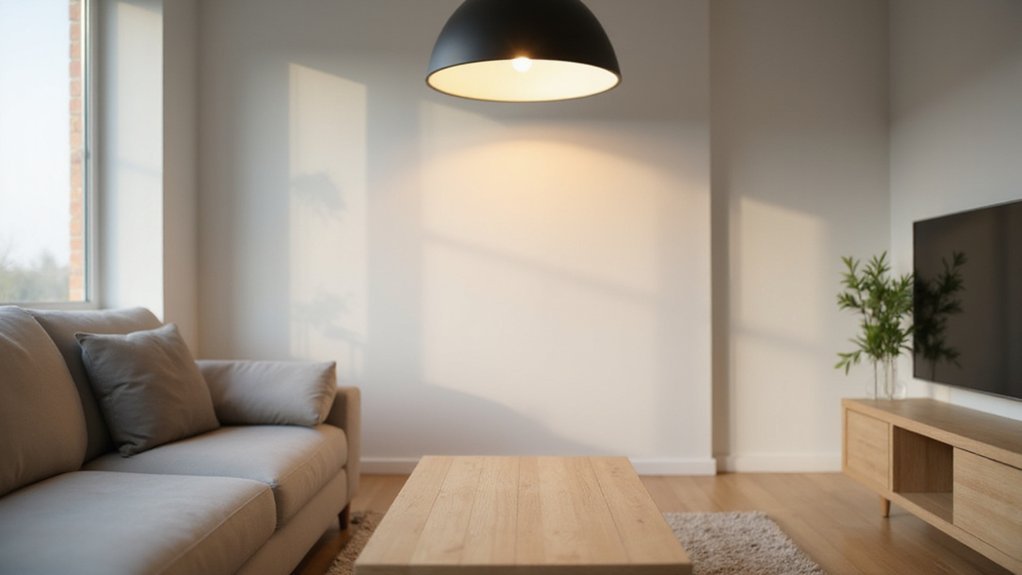
Are recessed lights still a good choice for modern homes, or are they falling out of favor? The answer isn’t as simple as yes or no.
While those large, glaring cans are outdated, smaller, sleeker fixtures are making a comeback. By understanding what to look for and how to use them, you can create a layered, stylish lighting scheme.
The details ahead will help you master the upgrade.
Are Recessed Lights Out of Style in 2026?
Recessed lights are definitely not out of style—they’ve simply shifted in their role within modern interior design. Instead of uniform ceiling grid installations, they now serve as strategic accent or architectural layers. Smaller fixtures, typically 2-inch or 3-inch in diameter, are becoming the norm because they provide focused, precise lighting where you need it. These compact fixtures also allow for more seamless integration with the ceiling, often disappearing entirely when trimless, mud-in designs are used.
The trend favors warm, tunable color tones that create a cozy atmosphere and reduce the severity of cool, glare-heavy lighting. Rather than making recessed lights the primary feature, you’ll find their effectiveness lies in supporting other fixtures like sconces and pendants. When used selectively and thoughtfully, recessed lighting adds depth and dimension without overwhelming the space, proving their versatile and evolving role in contemporary design. For added comfort in a room, you can pair these fixtures with a ceiling fan that rotates clockwise in winter to push warm air down from the ceiling, and which performs best when mounted with proper placement rules for optimal airflow. For the most secure and reliable installation, consider using push-in wire connectors that allow for quick, tool-free wiring connections.
Floral and organic lighting elements also influence how recessed lights are framed, with larger canopies and decorative trim options blending modern technology into vintage-inspired aesthetics.
6 Signs Your Recessed Lights Look Dated (and 3 That Still Work)
Three types of recessed lighting still work effectively despite signs of aging. Task-focused fixtures placed over counters or hallways remain practical because they provide direct illumination where needed most. Micro-aperture fixtures, with their small openings, deliver strong light output while reducing visual clutter in ceilings. Deep-regressed housings conceal the light source completely, maintaining a sleek look and preventing glare. Additionally, dimmable recessed lights continue to be useful, allowing you to switch from bright, functional lighting to softer, mood-enhancing layers without having to replace your entire setup. For a complementary custom touch, you can even craft your own ceiling fan blades to match your updated lighting scheme. For those seeking a modern update, driveway lights with quality can complement recessed fixtures by enhancing outdoor safety and curb appeal. To ensure safe installation, follow a step-by-step method for wiring.
Why Trimless “Mud-In” Fixtures Are the Biggest Recessed Lighting Trend
Trimless “mud-in” fixtures are the most popular recessed lighting trend because they integrate seamlessly into your ceiling for a clean, minimalist look. Unlike traditional trim models, these fixtures sit flush with the drywall, leaving only a precise aperture that blends into the architecture. This creates a sleek, uninterrupted ceiling line that emphasizes your space’s design rather than the light fixture itself. This design approach is similar to how uplights wash walls from below to highlight texture without drawing attention to the fixture.
The absence of visible trim rings removes the typical “polka-dot” pattern, offering a more refined, intentional aesthetic. Premium trimless models often feature regressed optics, which help reduce glare and improve visual comfort. Although installing them requires careful mudding and painting, the final effect is a high-end, cohesive finish that elevates decorative lighting from functional to architecturally integrated. For a complementary accent, wall sconce candle holders provide an excellent way to add warm, layered light to your space. For similar elegance in other bathroom areas, a bathroom chandelier offers a sophisticated focal point that matches the seamless aesthetic. With trimless “mud-in” fixtures, your lighting becomes an almost invisible part of your space’s design, not just an add-on.
Why 2-Inch and 3-Inch Recessed Lights Are Replacing Big Cans
2-inch and 3-inch recessed lights are replacing larger can fixtures because they offer a sleek, minimal look while providing enough illumination. Thanks to LED technology, a 2-inch aperture can now deliver the same brightness as a much larger fixture with less clutter. These smaller cans blend into the ceiling, creating a cleaner appearance and minimizing visual distraction. For a truly integrated look, you can even build your own custom trim using a full build walkthrough for LED strips to match the exact shape of your ceiling cutouts. Before installing any new unit, however, it is critical to turn off the power at the breaker to ensure safety.
Compared to traditional six-inch cans, the smaller options eliminate the “polka-dot” ceiling effect that can draw attention away from your architecture or artwork. A 2-inch fixture is ideal for tight accent lighting, emphasizing specific details without overpowering the space. Meanwhile, a 3-inch option works well in kitchens or general areas where more illumination is needed while maintaining a restrained look. For a clean DIY finish, similar attention to detail is required when installing LED strip lights on walls.
You get the benefit of better design flexibility and a more curated aesthetic without sacrificing performance. Smaller fixtures are simply smarter choices for modern spaces that value subtlety and style.
Recessed Lights Aren’t the Star Anymore: Here’s Why
Recessed lights are no longer the focal point of your lighting scheme. Instead of filling every inch of the ceiling with these fixtures, use them selectively to create visual interest and dimension. They should serve to accentuate specific areas, like a reading nook or a kitchen counter, rather than acting as the main source of illumination across the entire space. This approach allows you to layer your lighting, combining ambient, task, and accent lights to craft a mood-driven environment. Incorporate statement fixtures, such as vintage pendants or warm sconces, to bring personality and character into the room. By moving away from uniform grids of recessed lights, you open up opportunities to design expressive, dimensional spaces that adapt to your daily needs and aesthetic preferences. For a versatile alternative, consider track lighting which can be safely configured to highlight artwork or key areas without overwhelming the ceiling. For a softer, more flexible accent, LED strip lights can be installed under cabinets or along coves to add subtle, task-oriented illumination without altering the ceiling layout.
How to Layer Recessed Lights With Pendants, Sconces, and Floor Lamps
Layering recessed lights with pendants, sconces, and floor lamps adds depth and dimension to your space. Start with recessed lights as your ambient base, spacing them about 23 inches from each wall. This avoids creating a flat, overly bright center and helps distribute light evenly. Add pendants over islands or tables to provide task lighting; hang them 30 to 36 inches above the surface for optimal illumination without glare. Sconces should be placed 5 to 6 feet high to highlight specific zones like beds or fireplaces. Top wall sconce with battery models offer flexible placement without the need for wiring. Floor lamps serve as a softer mid-layer, especially in reading areas or corners, and top wooden floor lamps combine quality craftsmanship with stylish design to enhance this layer. For areas exposed to moisture, consider waterproof recessed can lights to ensure safety and durability.
Keep your color temperature consistent across all layers—whether warm or cool tones—to create harmony. Match fixtures’ finishes, such as brushed nickel or matte black, to unify your lighting scheme and complement your decor. A balanced lighting ratio, typically around 70 percent ambient and 30 percent task lighting, prevents the space from feeling flat or overly bright. This strategic layering brings your room to life with visual interest and functional clarity.
The Little Upgrades That Make Recessed Lights Look Modern
To give recessed lights a modern update, focus on a few simple upgrades. Start with fixture customization by swapping out standard round trims for square or geometric-shaped trims. This change introduces more architectural interest and reduces the traditional look. Next, choose matte black finishes for trims to sharpen the ceiling’s appearance and provide deliberate contrast with lighter surfaces in the room. Similar to the process of replacing a ceiling fan light kit, you will need to turn off the power at the breaker and confirm the correct voltage and compatibility before installing your new trim. Opt for deep-regressed optics with matte black baffles, which help reduce glare and hide the light source, creating a quieter, more streamlined ceiling. Switching to smaller apertures—such as 2-inch or 3-inch instead of traditional 6-inch cans—delivers strong illumination with less visual weight. Finally, incorporate smart dimming and color-temperature controls. These features let you adjust from cool task lighting to warm ambient glow, ensuring your recessed lights are both functional and sleek.