Are you trying to figure out what a BR30 bulb actually is and how it fits into your lighting setup? These bulbs are widely used in recessed lighting fixtures for broad, soft illumination, making them a popular choice for kitchens and hallways.
By the end, you’ll understand their size, uses, and how they compare to similar options.
What Does BR30 Actually Stand For?
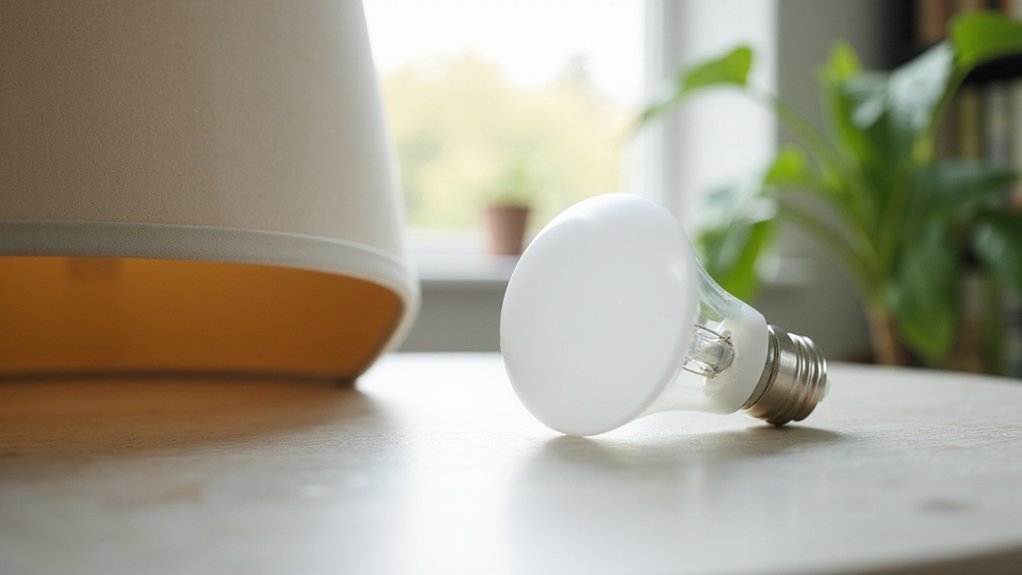
“BR30” refers to a specific shape and size of a light bulb. The “BR” stands for “bulged reflector,” which describes the design of the lamp that helps direct light in a flood-like beam, making it ideal for accent or task lighting. The “30” indicates the diameter of the bulb in eighths of an inch, meaning it is approximately 3.75 inches across. This size classification helps you identify the right bulb for your fixtures and space requirements. While the label tells you about the physical dimensions and shape, it doesn’t provide information about brightness, color temperature, or energy efficiency—the actual performance depends on the specific bulb within that size category. LED versions of BR30 bulbs offer significant energy savings over older incandescent types. For spaces with low profile recessed can lights, selecting the correct BR30 bulb ensures proper fit and optimal light distribution. Understanding how a bulb’s reflector shape creates a wide wash of light over walls or artwork is key to achieving even illumination without harsh hotspots. Similarly, just as a ceiling fan’s direction settings affect airflow seasonally, choosing the correct bulb type ensures your lighting performs efficiently throughout the year.
How Big Is a BR30 Bulb? (And Why That Number Matters)
The diameter of a BR30 bulb is 3.75 inches, which corresponds to the number 30 in its name. The number 30 means the bulb measures 30 eighths of an inch across, or exactly 3.75 inches in diameter. This size matters because you need a fixture with at least a 4-inch opening to fit the bulb properly. BR30 bulbs work well in 4-inch recessed cans and larger fixtures, such as 5-inch or 6-inch housings. For a decorative touch, these bulbs pair nicely with wall sconce candle holders that have a wide enough opening. This size strikes a good balance: it’s large enough to provide even light distribution for accents and decorative lighting, but not so big that it wastes light or requires larger, more costly fixtures. Always measure your fixture’s opening before purchasing, focusing on the diameter, since the length can vary and is less critical for fitting. For example, this specific bulb produces 1400 lumens of warm white light with a high CRI of 90. Selecting recessed can lighting ensures compatibility with the BR30’s diameter and light distribution. If you are building a custom fixture, consider that LED strip lights can be integrated into the housing for additional ambient effects around the bulb.
Where Do You Use BR30 Bulbs? (Common Applications)
BR30 bulbs are commonly used in recessed can lighting fixtures throughout your home. They work well in kitchens, living rooms, hallways, and bedrooms, providing broad, soft illumination that helps reduce harsh shadows. For task lighting, you can install them in track systems or above food prep zones, offering focused yet comfortable visibility. These bulbs also excel at accent lighting, highlighting artwork, shelving, or architectural features in retail spaces or galleries. Their wide beam spread makes them ideal for wall washing in restaurants or entryways. You choose BR30 bulbs for their energy efficiency, as they can effectively light large areas without consuming excessive power. Whether installed in residential ceilings or commercial offices, they offer versatile, directional light that creates a welcoming atmosphere. To maintain consistent dimming performance, you may need to reset the remote pairing if your ceiling fan light kit flickers or stops responding to the control.
Will a BR30 Fit in Your Recessed Light? A Guide to Fixture Sizes
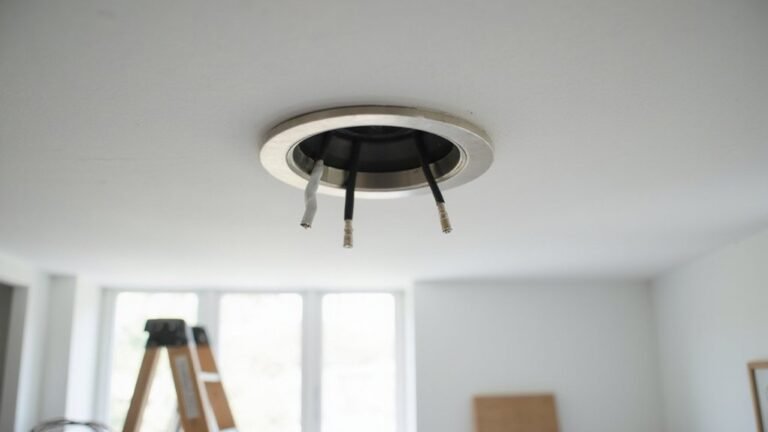
A BR30 bulb measures 3.75 inches across, which is its widest point. To determine if it fits your recessed light, start by measuring your fixture’s opening. A 4-inch can might fit the bulb, but the bulb may sit snugly or not sit flush with the trim. A 5-inch can provides more space and better clearance on the sides. A 6-inch can easily accommodates a BR30, though the bulb might appear smaller in the trim. For a more professional appearance, pairing a BR30 with proper lighting design techniques can enhance the overall aesthetic of your landscape. Be sure to check the depth of your fixture as well—BR30s are about 5.1 inches long. Shallow housings can block the bulb, even if the diameter fits. Always confirm both the opening size and the depth before choosing your bulb to ensure a proper fit. Also verify your fixture’s label, as can sizes are not always standard. This careful measurement helps you avoid any surprises during installation. For safety, always follow proper wiring tips when connecting the fixture. If you are replacing the entire unit, it is helpful to first consult a step-by-step guide for removing the old can and checking compatibility before fitting the new one.
BR30 vs. PAR30: What’s the Difference?
Although both bulbs have a 3.75-inch diameter, they provide distinctly different lighting effects. A BR30’s bulged, or reflector, shape creates a wide flood beam that is ideal for ambient lighting in living rooms, hallways, or kitchens. Its soft, blurred edges help reduce harsh shadows, making it suitable for general illumination. In contrast, a PAR30 features a flat, parabolic face that directs light into a narrow, controlled beam, perfect for accent lighting on artwork, retail displays, or architectural elements. Both types are available with a range of color temperatures from warm to cool, allowing you to match your preferred mood or setting. However, dimming compatibility can vary more by brand than by bulb type, so always check the packaging. Additionally, PAR30 bulbs often come in short- or long-neck versions, which influence fixture depth requirements, whereas BR30s do not. Choose a BR30 for even, widespread coverage, or a PAR30 for focused, punchy illumination. To maintain optimal light output, regularly clean your BR30 bulbs using a soft microfiber cloth to prevent dust buildup. For safe handling during installation, use wire splice connectors to secure any electrical connections.
What Beam Angle Should You Expect?
The beam angle for a BR30 bulb is typically in the 110° to 120° range. This wide-angle spread is a key feature, designed into the bulb’s bulged reflector shape. It produces a broad, even pool of light rather than a narrow spotlight. This wide beam spread helps cover large areas without creating harsh hot spots, making it ideal for general illumination. It’s commonly used in recessed cans or wall washing setups. For safe DIY wiring of these fixtures, heat shrink wire connectors provide a secure, insulated seal against moisture and corrosion. A balanced ceiling fan can also help ensure safe, quiet operation in the same room. If the fan still does not function, a dead remote control is a common cause of the issue.
Listings often specify a beam angle of 110° or 120°, both offering the same wide-flood performance. Whether you see 110° or 120°, you get ample light distribution that fills a room with ambient illumination. This makes multiple spotlights unnecessary for many applications, simplifying your lighting design. The wide beam angle is essential for providing broad, even coverage for everyday lighting needs.
How Many Lumens Do You Need for a BR30 Replacement?
For a BR30 replacement, aim for about 650 to 810 lumens to match or slightly exceed the brightness of your old 65-watt incandescent bulb. Lumens measure how much light the bulb emits—a more accurate indicator of brightness than wattage. While a 65W incandescent bulb produces roughly 650 lumens, many LED BR30s offer between 720 and 810 lumens for the same wattage equivalence, providing extra brightness without using more energy. For general-purpose lighting, a bulb around 800 lumens works well, while high-brightness areas may require models at 1600 lumens. Remember to consider the color temperature for ambiance—warm tones create coziness, while cool tones provide a more energetic feel. Keep in mind that dimming reduces lumen output, so a dimmable BR30 may fall to about 160 lumens at the lowest setting. Always choose a lumen level suited to your room size and task needs to ensure energy efficiency and optimal lighting.
What to Look for in BR30 LED Bulbs
When selecting a BR30 LED bulb, ensure it is a true BR30 with an E26 base to fit 5- or 6-inch recessed cans properly. Aim for a beam angle between 105° and 120° for broad, diffused lighting coverage, which creates a natural and even light spread. Check that the bulb is labeled as dimmable and compatible with TRIAC dimmers to prevent flickering issues. For better color rendering, look for a high CRI of 80 or above, ideally up to 93, along with warm color temperatures of 2700K or 3000K to enhance home ambiance. Prioritize energy efficiency by selecting UL-listed, polycarbonate models rated for damp locations, and choose options with 90+ CRI for superior color accuracy in floodlighting applications. These bulbs typically offer a lifespan of around 25,000 hours and often come with a 5-year warranty for added peace of mind.