Thinking about adding recessed can lighting to your space? The cost typically ranges from $100 to $300 per fixture, with the average around $200.
This price covers the fixture, wiring, ceiling cutout, and labor. But final expenses can vary based on ceiling access, the type of installation, and additional features.
Keep reading to learn what factors influence the overall price.
How Much Does Recessed Lighting Cost Per Light Installed?
Recessed lighting typically costs between $100 and $300 per light installed, though prices can vary based on features and complexity. The fixture itself might be affordable, but labor usually accounts for the largest portion of your expense, especially when retrofitting into an existing ceiling. Installing new wiring or working in tight attic spaces can also raise the overall cost. If you are replacing an existing fixture, ensure you follow safe wiring tips to prevent electrical hazards during installation. Decorative options like adjustable trims or baffled housings tend to increase the price but enhance your room’s appearance. For energy efficiency, choosing integrated LED units can reduce long-term electricity bills and eliminate the need for frequent bulb replacements. To avoid shocks during any electrical work, you should always shut off the circuit breaker at the panel before touching wires. Remember that, similar to adjusting your ceiling fan for optimal comfort, selecting the correct ceiling fan direction for your home can also impact your energy savings.
What’s Included in That $200 Per Light?
A $200 per light quote usually includes the fixture and trim, electrical labor, and the ceiling cutout. This price covers the basic wiring from the switch and work at the junction box, as well as fixture placement and testing to ensure it functions properly.
However, common myths can mislead you into thinking this price includes more. Extras often include dimmer switches, new circuits, or complex drywall patching, which can add from $50 to $300 beyond the initial quote. It’s important to clarify what’s excluded before you sign.
Know that your payment primarily covers the can housing, standard electrical labor, and a clean hole cut. Anything beyond that—such as ceiling repairs around joists or high-end dimmable fixtures—is an additional cost. Always ask your contractor what is not included to avoid surprises later on. For a safe and clean installation, follow a step-by-step wiring method that includes proper wire stripping, secure connections, and the use of wire nuts to match the appropriate wire gauge and type for reliable connections. When working with push-in connectors, you can safely disconnect them by inserting a small flathead screwdriver into the release slot and pulling the wire free.
Why Do Electricians Charge $75 to $300 Per Light?
Electricians typically charge between $75 and $300 per light fixture because the cost is driven largely by labor, not just the fixture itself. You’re paying for their time, skill, and the complexity of your ceiling setup. The job usually takes 1.5 to 3 hours per fixture, which can add up quickly, especially if access is difficult or wiring needs to be installed or upgraded. Transparent pricing helps you understand why replacing a simple ceiling light costs less than a full remodel, often involving extensive drywall work or rewiring. Using 4 way wire connectors can simplify the junction process when connecting multiple lights in a series. Adjusting the ceiling fan direction for each season can also impact your home’s energy efficiency, which is a separate but related electrical consideration.
You also pay for the contractor’s reputation—licensed electricians tend to charge higher rates because they provide reliable, code-compliant work that maximizes safety and longevity. If your ceiling lacks pre-wiring, expect extra fees to run new wires or make modifications. Many electricians include drywall repair and cleanup in their quotes, so the cost covers more than just the light fixture. Ultimately, you’re paying for a safe, professional installation that minimizes the risk of future problems or hazards.
How Fixture Choice Affects Recessed Lighting Cost Per Light
Choosing the right fixture significantly influences the recessed lighting cost per light. Basic LED fixtures typically cost between $15 and $50 each before installation, while traditional can housings with trim and bulbs range from around $25 to $90. Your selection directly affects the total expense, but it’s essential to consider more than just the initial price. Fixture durability plays a role; a $30 builder-grade model may fail within a decade, leading to replacement costs, whereas a $200 commercial-grade fixture often lasts much longer. Rather than risking failure, choosing a reliable low voltage transformer for outdoor systems ensures consistent performance and longevity. Aesthetics also impact your budget. Gimbal designs that allow adjustable aiming usually cost between $25 and $80, offering flexibility in light direction. Trimless fixtures tend to be higher priced, from $40 to $120, providing a sleek, modern look. Additionally, trim rings vary in cost: an eyeball-style trim can increase the price per fixture up to $137, while a basic trim ring might be around $44. Ultimately, your fixture choice affects budget not only through initial cost but also through longevity, style, and functionality. Christmas string lights can similarly require troubleshooting, as bulb failures often mimic fixture issues and are the quickest fix to try first. For DIY installers, following a safe wiring sequence—including turning off power at the breaker and verifying connections with a voltage tester—prevents costly mistakes.
Retrofit vs. New Construction: Which Costs More and Why?
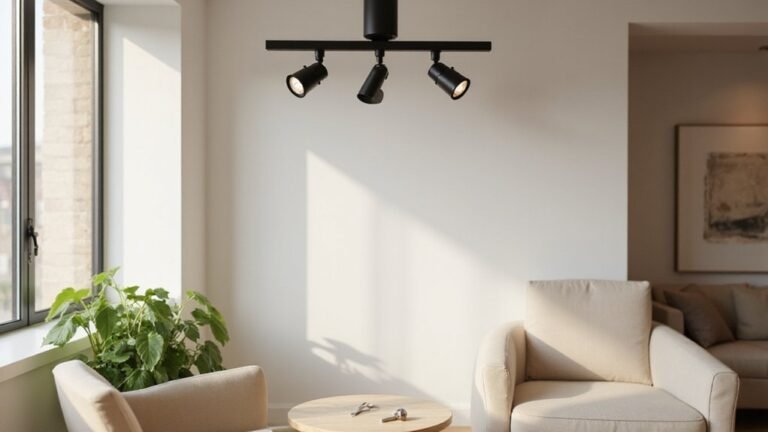
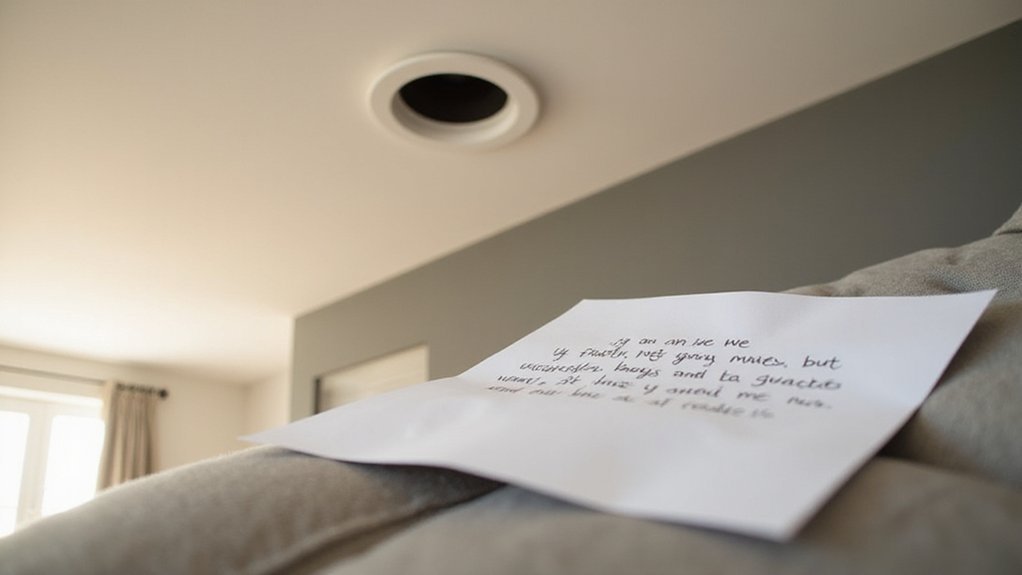
Retrofitting recessed lighting almost always costs more than installing new construction because you are working with a finished ceiling. With new construction, the ceiling is open, giving you direct access to joists and wiring, which significantly reduces labor time. In contrast, a retrofit requires cutting precise holes, fishing wires through finished surfaces, and protecting drywall, all of which increase complexity and labor costs by 25 to 50 percent. Additionally, existing homes have stricter lighting regulations that can limit fixture options. When retrofitting, you might need to use custom LED strip solutions to match the existing ceiling cutouts, adding another layer of material selection. Ensuring LED compatibility with existing dimmers and wiring adds extra steps and costs. New construction permits you to select any fixture upfront without those restrictions. While fixture prices for retrofit and new installation may be similar, the extra labor, patching, and compliance checks make retrofit a more expensive option overall, typically costing $200 to $500 per light compared to $150 to $300 for new construction. For example, track lighting replacement often involves similar challenges of fishing wires through finished ceilings, further driving up labor costs.
7 Hidden Cost Factors That Can Double Your Per-Light Price
Ceiling accessibility can significantly impact your lighting project costs. Without attic access, electricians often have to fish wires through tight spaces, adding between $41 and $162 per light in labor costs. Additionally, wiring obstacles such as joists and ducts force electricians to reroute wiring, which can add around $200 per light. For outdoor landscape projects, safe wiring tips can help you avoid similar hidden costs. These challenges, combined with requirements for code compliance—including permits, which may cost from $50 to $500, and the installation of IC-rated housings to prevent fire hazards, along with drywall repair estimates of $50 to $300 and contractor overhead fees ranging from 13% to 22%, can cause your total expenses to far exceed the initial sticker price.
Dimmer Switches, Trim Kits, and Smart Controls: What They Add to Your Total
Adding dimmer switches, trim kits, and smart controls can significantly increase your recessed lighting costs. A basic dimmer costs around $10, but installation raises the total to between $55 and $150. If you choose smart technology with voice or smartphone control, expect to pay $85 to $200 for the device alone, not including installation. Keep in mind that dimmer compatibility with LED fixtures is crucial; mismatched components can waste money and cause performance issues. Trim kits are an additional expense ranging from $5 to $40 per light, separate from both the dimmer and smart controls. When installing multiple lights with smart control systems, these costs quickly multiply as installation fees and per-fixture trim prices add up. Don’t assume these upgrades are cheap—they can quietly inflate your budget if you’re not careful. For example, if your home lacks a pull chain switch, you might explore alternative wiring solutions that add further complexity to the installation. For a truly cohesive high-end look, the chandelier over dining table pairing can provide similar ambient elegance, but it requires a completely different installation and wiring cost structure than recessed cans. If your chandelier uses candelabra base bulbs, they typically require a different dimmer range than standard recessed LED fixtures.
Total Cost by Project Size: What 2, 6, or 20 Lights Really Cost
Project size significantly impacts your lighting costs. For a small job with 2 lights, expect to spend between $250 and $600 if these fixtures will be installed in existing ceilings. In new construction, the cost drops to around $130–$350 because framing is already open, making installation quicker and easier. Recessed lighting installation is simpler than replacing a ceiling fan, which requires more complex mechanical and electrical work. For existing ceilings, the process often involves cutting precise holes and fishing wires, which requires safe wiring tips for a clean DIY finish.
With a 6-light project, your total costs typically range from $750 to $1,800, averaging about $1,200. Costs per fixture decrease slightly as the project size increases due to the distribution of fixed setup and labor costs across more lights. However, adding more fixtures in complex ceilings or plastered surfaces can push labor costs up by 30% to 45%.
Scaling up to 20 lights brings the total to roughly $3,500–$8,000. While larger projects benefit from lower per-light costs because fixed expenses are shared, they also require more planning and coordination. Keep in mind that smaller projects tend to have higher costs per fixture due to project minimums, whereas larger jobs can leverage volume to reduce the individual fixture price.
DIY Installation: When You Can Save Money and When You Can’t
DIY recessed lighting installation can save you between $130 and $450 per fixture, but only if your project matches certain simple conditions. You’ll see the biggest savings when your ceiling is already accessible and you opt for a straightforward retrofit. For a small DIY project, expect material costs to range from around $250 to $800, compared to $900 to over $2,500 when hiring a professional. Choosing affordable, canless LED fixtures makes the process easier and reduces labor costs, giving you more control over lighting aesthetics.
However, your savings diminish rapidly if electrical work becomes complex. Adding new circuits, rewiring, or working with intricate ceiling structures can push costs above $400 per fixture for supplies and labor. Also, don’t overlook the importance of permits and adhering to safety codes. While DIY can help you stick to a tighter budget, poor workmanship risks damaging your ceiling and decreasing your home’s value. If you want reliable results and peace of mind, hiring a professional not only protects your investment but also prevents costly mistakes and ensures compliance.
Real Budget Examples: What 6 Kitchen Lights Actually Cost
A professional six-light kitchen lighting installation typically costs between $700 and $1,650. The exact price depends on the complexity of the job and the fixtures selected. Expect to pay more if additional features, like dimmer switches, are added—these can add another $55 to $150 to the overall cost. Choosing energy-efficient canless LED fixtures can range from $15 to $50 each, offering benefits such as lower electricity bills and simpler installation. The total cost for a single fixture, including labor and parts, averages around $200, with labor fees ranging from $75 to $200 per fixture and parts costing $50 to $100. If you’re updating existing ceilings, costs may be lower, around $200 to $400 per light. Understanding these figures helps you plan a realistic budget before starting your project.